How to Dispose of Hazardous Waste Safely
Hazardous waste needs more careful handling than everyday rubbish. From chemical solvents and industrial oils to batteries and contaminated materials, disposing of these substances incorrectly can put people, property and the environment at risk.
If your business produces hazardous waste, you’re responsible for making sure it’s identified, stored and disposed of correctly. This guide explains the steps involved, the regulations you need to understand and how to arrange safe, compliant waste collection in England.
What Is Hazardous Waste?
Hazardous waste is waste that contains substances or has properties that could harm human health or the environment. It can be generated by construction sites, manufacturing facilities, offices, workshops and other commercial premises.
Common Types of Hazardous Waste
Examples include solvents, paints, industrial oils, pesticides, certain batteries, asbestos-containing materials and some electrical equipment. Fluorescent tubes and contaminated containers may also require specialist disposal.
You might also encounter less obvious hazardous materials, such as oily rags in workshops or upholstered furniture containing persistent organic pollutants (POPs).
Not every item within these categories is automatically hazardous, so the correct classification depends on its composition and properties.
Why Hazardous Waste Requires Specialist Handling
Hazardous materials can be flammable, corrosive, toxic or environmentally harmful. Mixing incompatible substances, using unsuitable containers or disposing of them with general waste can create serious safety risks.
Specialist waste management helps ensure these materials are handled appropriately and transported to facilities authorised to treat, recover or dispose of them.
What Are the Hazardous Waste Regulations?
Businesses producing or holding hazardous waste in England must follow waste duty-of-care requirements and specific hazardous waste regulations. These responsibilities continue beyond simply handing the waste to a collection company.
Duty of Care and Waste Classification
Before arranging disposal, you must identify and classify your waste using the appropriate List of Waste code and assess any hazardous properties. This determines how the material must be handled and which facilities can accept it.
You must also ensure hazardous waste is stored and segregated appropriately, check that your waste carrier is registered and confirm that the receiving facility has the necessary authorisation.
Hazardous Waste Consignment Notes and Records
A hazardous waste consignment note records what is being collected, where it came from, who is transporting it and where it will be delivered.
Businesses producing or holding hazardous waste must complete the relevant sections and retain their consignment notes, consignee returns and associated records for three years. These records help demonstrate that the waste has been transferred through an authorised route.
How to Identify Hazardous and Toxic Waste
Not all hazardous waste is immediately recognisable. Some materials have obvious warning labels, while others require further investigation to establish their composition and disposal requirements.
Check Labels, Safety Data Sheets and Hazard Symbols
Start by checking product labels, hazard pictograms and Safety Data Sheets (SDS). These can provide important information about chemical ingredients, hazards and handling precautions.
However, product labelling alone doesn’t establish a waste classification. Additional assessment may be necessary, particularly for mixed, contaminated or previously used materials.
What to Do if You Are Unsure Whether Waste Is Hazardous
If you’re uncertain about a material, don’t place it in a general waste container or mix it with other waste streams.
Keep it appropriately contained and seek advice from a qualified waste specialist. You may need supporting product information, sampling or testing before the correct classification and disposal route can be established.
How Hazardous Waste Is Disposed Of
Safe hazardous waste disposal involves several stages, beginning with proper storage and ending with treatment, recovery or disposal at an authorised facility.
Separating and Storing Hazardous Waste Safely
Once waste has been identified, it should be separated according to its classification and compatibility. Use suitable, clearly labelled containers and designated storage areas to minimise the risk of spills, contamination or accidental contact.
Storage arrangements should reflect the properties of the materials involved, rather than using one approach for every hazardous waste stream.
Collection by an Authorised Waste Carrier
Hazardous waste must be collected by an appropriately registered waste carrier and transported with the required documentation.
Our hazardous waste disposal services provide specialist collection arrangements for eligible materials, including oils, chemicals, batteries and certain electrical waste.
Treatment, Recovery and Final Disposal
After collection, hazardous waste is transported to an authorised facility where it may undergo specialist treatment, recycling, recovery or final disposal.
The appropriate method depends on the waste’s composition and hazardous properties. Some materials can be recovered, while others require treatment or destruction to prevent environmental harm.
How to Dispose of Chemicals in the UK
Chemical waste requires particular care because different substances can react dangerously when mixed or stored incorrectly. Businesses should identify each chemical waste stream and keep it in suitable containers, with clear labels describing the contents and relevant hazards.
Different chemicals should never be combined simply to save storage space or reduce the number of collections. For example, acids and alkalis can react when mixed, while certain solvents and oxidising substances may create additional hazards. Always follow the relevant safety information and seek specialist guidance when compatibility is uncertain.
Before arranging collection, gather details of the chemicals involved, their approximate quantities, packaging and any available Safety Data Sheets. A specialist provider can use this information to assess the waste and determine appropriate collection and disposal arrangements.
Can Hazardous Waste Be Recycled?
Yes, some hazardous materials can be recycled or recovered through specialist processes. However, recycling options depend on the waste’s classification, condition and the treatment facilities available.
Certain batteries, waste oils, metals and electrical equipment contain materials that can be recovered through authorised recycling processes. For example, specialist facilities may recover metals from batteries and electrical equipment or reprocess suitable waste oils.
Keeping hazardous materials properly separated helps prevent contamination and preserves opportunities for specialist recycling. Our recycling services support responsible material recovery as part of wider commercial waste management arrangements.
Arranging a Compliant Hazardous Waste Collection
Once your waste has been identified and classified, arranging collection should be straightforward. Having the right information available from the outset helps your waste provider recommend suitable arrangements.
What Information to Provide Before Collection
You’ll typically need to provide a description of the waste, its classification, estimated quantity, packaging and location. For chemical waste, relevant Safety Data Sheets and details of any contamination or known hazards can also help the collection team assess your requirements.
Before collection, check that the waste is stored securely in suitable containers, correctly labelled and accessible for the collection team. Your provider can advise on any additional preparation or documentation requirements for the materials involved.
Arrange Hazardous Waste Collection with Westminster Waste
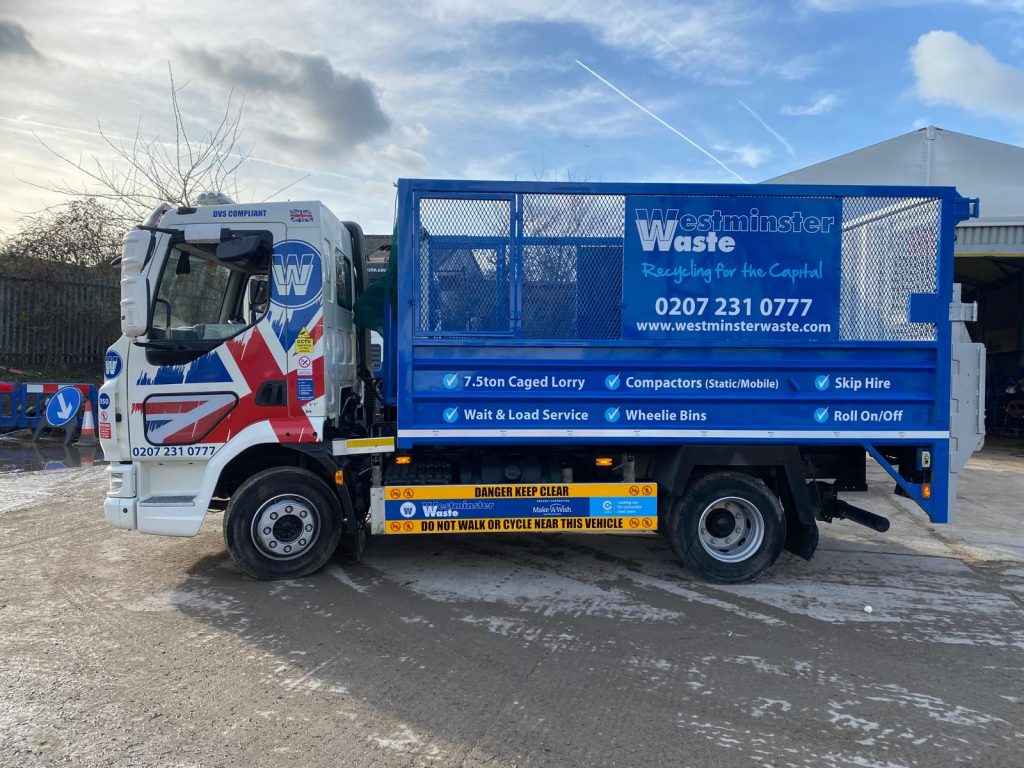
Need help managing hazardous waste at your business premises? We provide specialist collection and disposal services for a range of hazardous materials across London.
Whether you’re managing occasional hazardous waste collections or multiple waste streams through our Total Waste Management service, our team can help you understand the available options and arrange appropriate disposal.
Frequently Asked Questions
Who is allowed to collect hazardous waste from a business?
Hazardous waste must be transported by an appropriately registered waste carrier and delivered to a facility authorised to accept it. You can check a provider’s registration and relevant permissions before arranging collection.
Do you need a consignment note for hazardous waste?
Yes, hazardous waste movements in England generally require a consignment note. This records the waste details and movement between the producer, carrier and receiving facility. Businesses producing or holding hazardous waste must normally retain the relevant records for three years.
How should hazardous waste be stored before collection?
Keep hazardous waste in suitable, securely closed and clearly labelled containers, with different waste streams separated according to their properties. Storage arrangements should minimise the risk of leaks, reactions and environmental contamination.
What happens to hazardous waste after it is collected?
Hazardous waste is transported to an authorised facility for appropriate treatment, recycling, recovery or disposal. The process depends on the material’s classification and properties, with specialist controls used to manage potential risks.