How to Manage and Dispose of Construction Waste
Construction projects can generate a surprising amount of waste, from rubble and timber offcuts to demolition materials. Without a clear plan, these materials can quickly take up valuable space, increase disposal costs and disrupt work on site.
Effective construction waste management helps you keep projects organised, recover more reusable materials and meet your legal responsibilities. In this guide, we’ll explain how to handle construction waste from initial planning through to collection, recycling and disposal.
What Is Construction and Demolition Waste?
Construction and demolition waste is any material discarded during building, renovation, refurbishment or demolition work.
Common Types of Construction Waste
Most construction sites produce several different waste streams, including:
- Concrete, bricks, rubble and aggregates
- Timber, plasterboard and insulation
- Metals, plastics and packaging
- Soil and excavation materials
- Tiles, glass and other building materials
Some can be recycled relatively easily, while others need separate handling or specialist disposal.
Construction Waste vs Demolition Waste
Construction waste generally comes from building and installation work, including surplus materials, packaging and offcuts.
Demolition waste comes from removing existing buildings or structures, often creating larger volumes of concrete, masonry, metal and potentially hazardous materials.
Both require appropriate segregation, collection and disposal arrangements.
Hazardous and Non-Hazardous Construction Waste
Some materials, including asbestos-containing products, solvent-based paints and certain treated timber, may be classified as hazardous waste and require specialist handling. Correctly classifying waste before collection helps prevent contamination and ensures materials are sent to facilities authorised to accept them.
What Is Construction Waste Management?
Construction waste management covers how waste is planned for, collected, separated, reused, recycled and disposed of throughout a project. The aim is to reduce unnecessary waste while making sure the materials that are generated are handled safely and responsibly.
Why Construction Waste Management Matters
Poor waste management can lead to overflowing skips, restricted site access, additional collection costs and avoidable environmental impacts. Having clear arrangements in place keeps work areas organised, supports compliance with waste regulations and makes it easier to monitor disposal costs throughout the project.
Reducing, Reusing and Recycling Construction Materials
The most effective way to reduce construction waste is to avoid generating it in the first place. Accurate material ordering, careful storage and reusing suitable offcuts can all make a difference. Materials that cannot be reused on site, including metals, timber and clean aggregates, may still be suitable for recycling.
Planning Waste Management Before Work Begins
Consider waste requirements during the initial project planning stage. Estimate the materials likely to be generated, identify suitable storage areas and arrange collections around your construction schedule. This helps prevent waste from accumulating unexpectedly once work gets underway.
How to Dispose of Construction Waste
To dispose of building waste responsibly, you’ll need to understand what materials you’re handling, how they should be separated and where they can legally be taken.
Identify and Separate Your Waste Streams
Start by identifying the main waste materials your project will generate. Keeping rubble, timber, metals and other recyclable materials separate can improve recovery options and help avoid additional charges for contaminated loads.
Choose the Right Skip or Container
The right container depends on the volume, weight and type of waste. Smaller skips may suit refurbishment work, while larger skips or roll-on roll-off containers can be more practical for demolition and high-volume projects.
Our skip hire service includes a range of options for construction sites, including enclosed skips and crane-lift arrangements for restricted access.
Use an Authorised Waste Carrier or Disposal Facility
Construction waste must be transferred to an appropriately authorised waste carrier or facility. Before arranging collection, check the provider’s waste carrier registration and confirm the receiving facility can accept your waste.
You can arrange collections directly from your site or transport waste to an authorised commercial tipping facility where permitted. Always check the facility’s acceptance criteria and charges beforehand, as household recycling centres generally don’t accept commercial construction waste.
Keep the Correct Waste Documentation
Waste Transfer Notes provide a record of non-hazardous waste collections, including the material type, quantity and parties involved. Keep these records for at least two years. Hazardous waste requires consignment notes, with different documentation and retention requirements.
How Much Does Construction Waste Disposal Cost?
Construction waste disposal costs depend on several factors, including the type, weight and volume of materials being removed, your location and collection frequency. Heavy waste such as concrete and rubble may require smaller containers due to weight restrictions, while hazardous or contaminated materials can involve additional handling and disposal costs.
Segregating clean recyclable materials from general waste can also help control costs by reducing contamination and opening up more recycling options. Choosing the right skip size and planning collections around your project schedule can prevent unnecessary container movements and additional charges.
How to Segregate Waste on a Construction Site
Good segregation starts with making it easy for everyone on site to put materials in the right place. A clear system helps prevent contamination, improves recycling opportunities and keeps waste storage areas organised.
Separate Key Waste Streams at Source
Where practical, provide dedicated containers for materials such as clean rubble, timber, metals and plasterboard. Keeping these streams separate helps preserve their recycling potential.
Use Clearly Labelled Skips and Containers
Clearly identify what belongs in each container and position waste storage areas where site teams can access them safely. Simple, consistent signage can make a difference on busy sites with several contractors.
Keep Hazardous Waste Separate
Hazardous materials must be identified and managed separately from ordinary construction waste. Never place suspected asbestos or other hazardous materials into general skips. Arrange an appropriate assessment and specialist collection instead.
Train Site Teams on Waste Segregation
Make waste arrangements part of site inductions and communicate changes as work progresses. If everyone understands the system, there’s less chance of recyclable materials becoming mixed with unsuitable waste.
What Happens to Construction Waste After Collection?
Once construction waste leaves your site, it may go through several stages of sorting, processing and recycling before any remaining materials are sent for recovery or final disposal.
Collection, Sorting and Processing
An authorised waste carrier transports the materials to an appropriate facility, where the load is checked and recorded. At a Materials Recycling Facility (MRF), suitable mixed waste can be separated using specialist equipment and manual sorting processes.
Once sorted, different materials can be prepared for recycling or sent to facilities equipped to handle their particular requirements.
How Construction Waste Is Recycled
Clean concrete, bricks and other suitable masonry materials can be crushed and screened to produce recycled aggregates for applications such as construction sub-bases. Metals can be sorted and sent for reprocessing, while suitable timber may be recovered for recycled wood products.
Certain plastics can also be recycled, depending on their type and condition. Keeping materials separated and free from contamination gives them the best chance of being recovered.
Recycling, Recovery and Final Disposal
Materials that can be recycled are sent for further processing, while some residual waste may be suitable for energy recovery or other authorised treatment methods. Waste that cannot be safely recycled or recovered must be disposed of through an appropriate facility.
Our recycling services help recover suitable construction materials, reducing reliance on virgin resources and supporting more responsible waste management.
Creating a Site Waste Management Plan
A Site Waste Management Plan (SWMP) provides a practical framework for managing materials and waste throughout a construction project. Having a clear plan helps site teams organise collections, monitor recycling performance and identify opportunities to reduce waste.
What Is a Site Waste Management Plan?
An SWMP outlines how construction waste will be reduced, separated, collected and managed. Although SWMPs are no longer universally required by law in England, they remain good practice and may be required under planning conditions or individual project contracts.
What Should a Construction Waste Management Plan Include?
A useful plan should identify the waste streams your project is likely to generate, estimated quantities, storage arrangements and proposed recycling or disposal routes. It should also establish who is responsible for managing waste and keeping the necessary records.
Set realistic targets for reducing waste and recovering reusable materials, then review your progress throughout the project. Comparing actual waste volumes against initial estimates can help you adjust container sizes, collection schedules and segregation arrangements as work progresses.
Manage Construction Waste with Westminster Waste
From small refurbishments to large demolition projects, we provide practical construction waste management services across London.
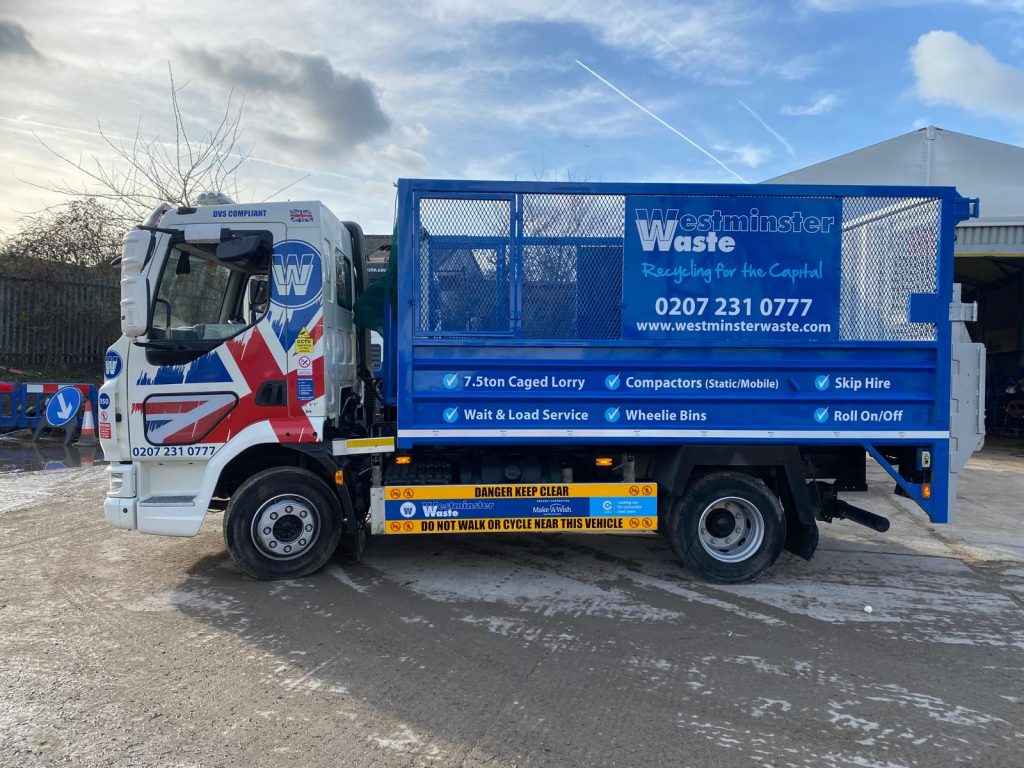
Our team can help you choose suitable skips and containers, arrange reliable collections and manage waste through responsible recycling and disposal routes.
Frequently Asked Questions
Where can I dispose of construction waste near me?
You can use an appropriately authorised commercial waste facility or arrange collection through a registered waste carrier. Check that the facility accepts your waste type before transporting materials.
How can construction waste be reduced on site?
Order materials accurately, store them carefully, reuse suitable offcuts and separate recyclable waste. Planning ahead helps prevent unnecessary materials from being discarded.
Why should construction waste be segregated?
Separating materials supports recycling, prevents contamination and may help reduce disposal costs. Hazardous waste must also be kept separate and handled appropriately.
What construction materials can be recycled?
Common recyclable materials include concrete, bricks, metals, timber and some plastics. Recycling options depend on the material’s condition, classification and the facilities available.
How much does it cost to dispose of construction waste?
Costs depend on waste type, weight, volume, container size and collection requirements. Contact our team for a quote based on your project.