Builders Skips: Sizes, Costs and What They Hold
Builders skips are a familiar sight on construction sites for good reason. They are large enough to handle building waste without taking up the space of a roll-on roll-off container.
But exactly how big is a builders skip, how much does it hold and how much does a builders skip cost? Here, we break down the numbers and the practical points to consider before arranging your next collection.
What Is a Builders Skip?
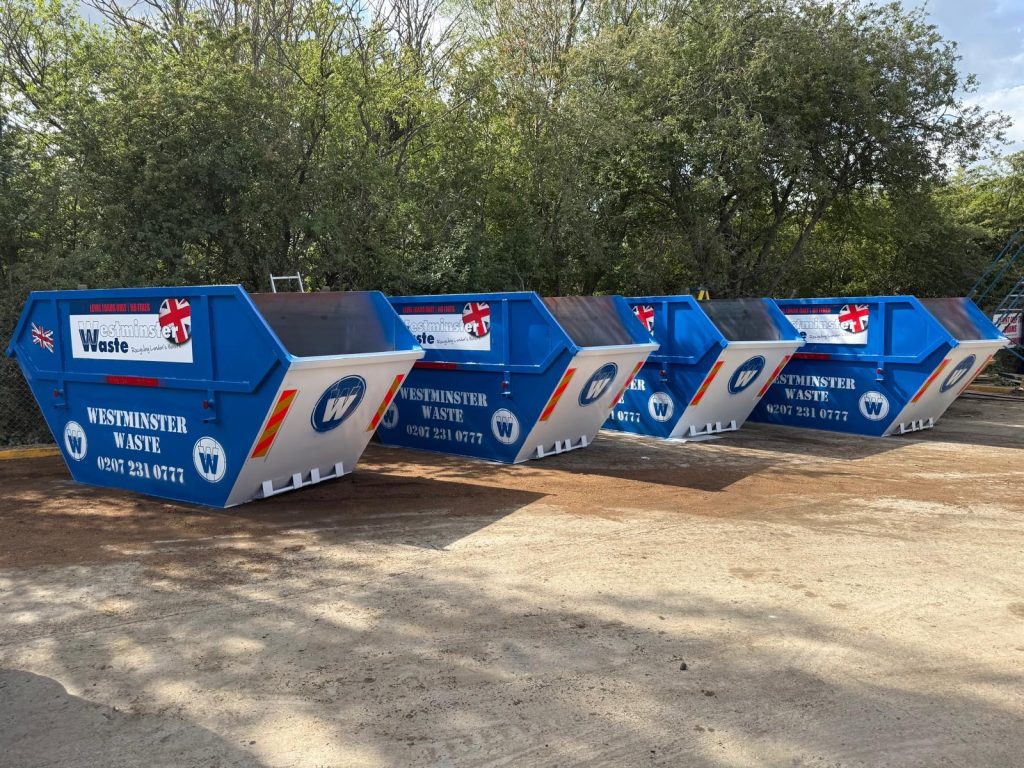
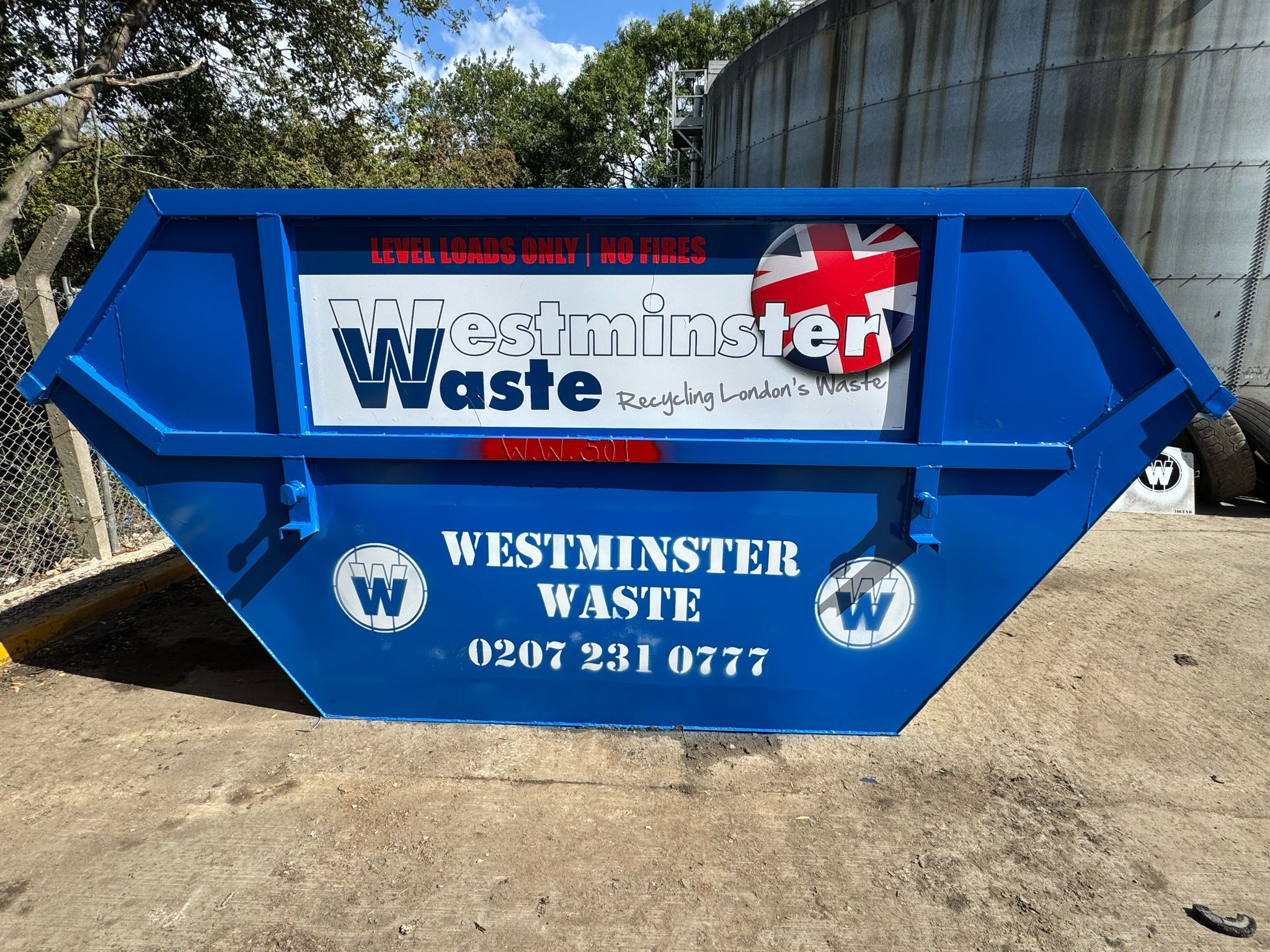
A builders skip is a medium-to-large skip commonly used for construction, refurbishment, demolition and clearance waste.
The name does not refer to one universally fixed size, and both 6-yard and 8-yard skips are common in the UK. Our skip hire range includes 4, 8, 12 and 16-yard options.
What Are Builders Skips Typically Used For?
Builder’s skips work well for jobs producing a steady volume of mixed or bulky waste, including refurbishments, strip-outs, construction work and property clearances.
On building sites, that might include bricks, timber, metal, concrete and other construction materials, provided the waste is suitable for the collection you have arranged.
Builders Skips vs Other Skip Sizes
The right skip is really about matching capacity to the job. A smaller skip can make sense where waste volumes are limited or site space is tight. Larger 12 and 16-yard skips provide more volume for bulky materials, while high-volume projects may be better served by a roll-on roll-off container.
You can compare skip and container sizes before choosing.
Who Uses Builders Skips?
Builders skips are commonly used by contractors, site managers, builders, fit-out teams and businesses carrying out renovations or refurbishments. That’s because they offer enough capacity for a substantial amount of waste without immediately moving into much larger container territory.
How Big Is a Builders Skip?
If you are picturing the standard skip found on many building sites, an 8-yard skip is a useful reference point. Our 8-yard open skip measures approximately 10’10” long, 5’10” wide and 4′ high, with a capacity of 6.10 cubic metres.
Typical Builders Skip Dimensions
Dimensions vary slightly between manufacturers and skip providers, so check the actual container rather than planning your site around a generic measurement. You also need to consider the space needed for delivery and collection, not just the footprint of the skip itself.
How Much Space Does a Builders Skip Need?
Leave enough clear space for the skip and the collection vehicle to access it safely. Think about gates, parked vehicles, scaffolding, overhead restrictions and how the site may change during the project. A space that is accessible on delivery day still needs to be accessible when the skip is collected.
Open vs Enclosed Builders Skips
Open skips make loading straightforward and are well suited to many construction applications. An enclosed skip can be useful where secure containment is more important, particularly for lighter waste that could escape or sites where controlling access to the container matters.
How Many Yards Is a Builders Skip?
So, how many yards is a builders skip? Usually, the term refers to a 6 or 8-yard skip. For us, the standard range includes an 8-yard option alongside 4, 12 and 16-yard skips.
6-Yard vs 8-Yard Builders Skips
A 6-yard skip can suit smaller building and renovation jobs. An 8-yard skip gives you another two cubic yards of capacity and is a common choice where waste volumes are higher. If you are regularly filling the smaller option or expecting a larger volume of bulky, relatively lightweight waste, moving up a size may reduce the risk of needing an additional collection. For dense materials such as soil, rubble or concrete, check the permitted weight and container type first.
What Does an 8-Yard Skip Mean?
The “8 yards” refers to cubic yards, not the physical length of the skip. An 8-yard skip therefore holds approximately eight cubic yards of material, equivalent to roughly 6.1 cubic metres.
Choosing the Right Skip Size for Your Project
Do not choose based on project size alone. Think about what you are throwing away. Large quantities of lightweight timber and packaging behave very differently from tonnes of concrete or soil. For heavy waste, weight may become the limiting factor before you run out of physical space.
How Much Does a Builders Skip Hold?
Our 8-yard skip provides 6.10m³ of capacity. As a rough visual guide, an 8-yard skip is often estimated to hold around 60–80 standard bin bags, although construction waste rarely arrives neatly packed into bin liners.
How Much Building Waste Can Fit in a Builders Skip?
That depends heavily on the material. Broken timber and bulky fittings can fill the skip relatively quickly while remaining comparatively light. Rubble, concrete and soil are much denser, so a skip containing heavy materials may reach its safe collection weight without looking completely full.
Weight vs Volume When Loading a Skip
This distinction matters on construction sites. With bulky waste, volume is often the problem. With dense waste, weight can be the deciding factor.
If your project is producing large quantities of bricks, concrete, rubble or other heavy materials, discuss the waste stream when arranging construction waste collection rather than assuming the largest available skip is automatically the right answer.
Why You Should Never Overfill a Skip
Waste should remain safely within the container rather than being piled above the sides. Overfilling can make a skip unsafe to transport and may mean it cannot be collected as loaded. If you regularly find yourself squeezing the last few items on top, the next size up is probably worth considering.
What Can You Put in a Builders Skip?
A builders skip can take many common non-hazardous waste materials, but it is not a catch-all container.
Common Construction and Demolition Waste
Typical construction waste includes materials such as bricks, concrete, wood and metal. We also handle mixed construction waste and recyclable materials generated by building and demolition projects.
Can Rubble, Concrete and Soil Go in a Builders Skip?
Rubble and concrete can commonly be collected through construction waste services, but heavy materials need to be planned carefully because of their weight. Tell your waste provider what you expect to load so the correct skip and collection arrangement can be confirmed.
Materials That Cannot Go in a Builders Skip
Hazardous or specialist waste should not simply be mixed into a standard builders skip. Materials such as asbestos, oils and paints, chemicals and solvents, electrical items, batteries, tyres and gas containers cannot be placed in a standard skip and require separate handling.
What to Do With Hazardous or Restricted Waste
Identify it before the project starts where possible. Keeping restricted materials separate prevents contamination and allows the correct specialist collection to be arranged rather than discovering the problem when the skip is due to leave site.
How Much Does a Builders Skip Cost?
There is no single answer to how much a builders skip costs to hire. Your quote will depend on the skip, location, waste and collection requirements.
What Affects the Cost of Builders Skip Hire?
Factors can include:
- Skip size
- Delivery location
- Waste type and weight
- Length of hire
- Number or frequency of collections
- Access requirements
- Any permit required for placement on a public road
That is why getting a project-specific quote is more useful than relying on a generic national price.
Does Skip Size Affect the Hire Price?
Generally, the container you choose forms part of the cost, but bigger is not automatically better value. Choosing too small can mean arranging another collection. Choosing too large for a small amount of heavy material may simply leave you paying for capacity you cannot safely use.
Do You Need to Pay for a Skip Permit?
If the skip is placed entirely on private land, a road permit is not normally required. If it needs to sit on a public road, a skip licence or permit is required and the rules and fees are set locally. In many areas, the skip company arranges this, although the process varies by council.
When to Choose a Builders Skip
A builders skip can work well when your project is producing more waste than a smaller skip can comfortably handle but does not need a high-capacity roll-on roll-off container.
For larger sites, more frequent waste movements or substantial volumes of bulky material, it can make more sense to step up to a larger container instead.
Westminster Waste provides skip hire in 4, 8, 12 and 16-yard sizes alongside larger roll-on roll-off containers, so the collection setup can be matched to the waste your site is actually producing.
Builders Skip FAQs
Is a builders skip 6 or 8 yards?
It can be either. Both 6-yard and 8-yard skips are commonly referred to as builders skips. Our current skip range includes an 8-yard builders-size option.
How many tonnes can a builders skip hold?
There is no safe universal tonnage to apply to every builders skip. Weight limits can depend on the container, vehicle and waste being collected, so check before loading large quantities of dense material such as soil or concrete.
How many bin bags fit in a builders skip?
As a rough comparison, an 8-yard skip is often estimated to hold around 60–80 standard bin bags. Actual construction waste capacity will depend on the size, shape and density of the material.
Can you put soil and rubble in a builders skip?
Rubble and other inert construction materials can commonly be collected in skips, but heavy loads need to be discussed when booking so the appropriate container and weight allowance can be confirmed.
Do I need a permit for a builders skip?
You need a skip permit if the skip will be placed on a public road. A permit is generally not required when the skip sits entirely on private land.
Can a builders skip be placed on a road?
Yes, provided the necessary local authority permission is in place. The council may also set requirements for positioning, markings, cones or safety lights.