If your business transports waste, there’s a good chance you need to be registered with the Environment Agency. That doesn’t just apply to waste collection companies – builders, landscapers, clearance companies and businesses moving their own commercial waste can also fall within the rules.
“Waste carrier licence” is the term most people use, although technically you register as a waste carrier, broker or dealer. The type of registration you need depends on what you do with the waste, with particularly important rules around construction and demolition waste.
In this guide, we explain who needs a waste carrier licence in England, the difference between lower and upper-tier registration, current costs and how to check that a waste contractor is properly registered.
What is a waste carrier licence?
Put simply, a waste carrier licence shows that a person or business is registered with the Environment Agency to carry, deal in or arrange the handling of waste.
The roles cover slightly different activities:
- A carrier transports waste.
- A dealer buys, sells or disposes of waste.
- A broker arranges for another organisation to buy, sell or dispose of waste.
You can be registered for more than one role, and your details will appear on the Environment Agency’s public register where customers and enforcement officers can check them.
One important distinction: waste carrier registration is not the same as an environmental permit. Businesses that treat, store or dispose of waste may need separate permits or exemptions.
Do you need a waste carrier licence?
You will commonly need to register if you collect waste from customers, carry construction or demolition waste, run a clearance or waste collection service, buy or sell waste, or arrange waste movements for other businesses.
You may also need to register when transporting waste your own business has produced. The important question is which tier applies.
Lower-tier registration
Lower-tier registration generally applies if you only carry waste your business has produced, provided it is not construction or demolition waste. It can also apply to charities and voluntary organisations, along with certain agricultural, mining, quarrying and animal by-product wastes.
There is, however, one particularly important exception: construction and demolition waste.
Upper-tier registration
If you transport other people’s waste, buy or sell waste, act as a broker, or carry construction and demolition waste, you will generally need upper-tier registration.
This is where construction businesses need to be careful. Construction and demolition waste does not fall under the usual own-waste lower-tier rule, so you will generally need upper-tier registration even if your own business produced the waste.
If you are uncertain which tier applies, check the Environment Agency criteria rather than judging it by the amount of waste you carry.
What does a waste carrier licence allow you to do?
Your registration allows you to carry out the carrier, broker or dealer activities you are registered for. However, it does not give you unrestricted permission to handle, store, treat or dispose of waste in any way you choose.
You still need to follow your waste duty of care, use the correct waste documentation and make sure waste goes to an authorised site. Carrier registration also does not replace an environmental permit where one is required.
Additional requirements can apply to specialist waste streams such as asbestos, hazardous chemicals and WEEE. If you are dealing with these materials, check the relevant requirements or arrange specialist hazardous waste disposal rather than assuming your carrier registration covers everything.
How much does a waste carrier licence cost?
For most businesses, the cost depends on whether you need lower or upper-tier registration. Lower-tier registration is usually free and does not currently need to be renewed. A new upper-tier registration currently costs £191.02 and must be renewed every three years at a current cost of £130.25.
| Registration | Current cost | Renewal |
| Lower tier | Usually free | No renewal currently required |
| Upper tier | £191.02 | £130.25 every three years |
These are the fees published at the time of writing and can change, so check the official GOV.UK registration service before applying.
How to get a waste carrier licence
If you need to register in England, the application itself is relatively straightforward:
- Check which tier applies. Use the Environment Agency criteria to establish whether you need lower or upper-tier registration.
- Gather your details. If waste is your main business, you will need information about the organisation’s owners, directors, partners or executives, details of relevant environmental offences and a way to pay the registration fee.
- Apply through GOV.UK. Use the official waste carrier, broker and dealer registration service rather than an unofficial third-party website.
- Check your registration. Once registered, your organisation should appear on the Environment Agency public register.
Scotland, Wales and Northern Ireland have different registration processes. If your business operates across borders, check the relevant regulator’s guidance to confirm which registration you need.
The waste carrier, broker and dealer system is also set to change in England, with the government planning to replace the current registration system with a permit-based model. This guide reflects the rules currently in force, so check GOV.UK for the latest requirements before applying.
How to check if a waste carrier is registered
Checking a waste contractor only takes a few minutes, but it is an important part of your waste duty of care.
Ask for the supplier’s legal business name and registration number, then search the Environment Agency public register. Make sure the details match the company you are dealing with and, for upper-tier carriers, check that the registration is still current.
You can review our Waste Carriers Licence and other permits and accreditations directly on our website.
Make waste compliance easier with Westminster Waste
Of course, registering to carry waste is only one part of managing it properly. If you would rather not transport and coordinate commercial waste yourself, working with an established waste partner can make the process much simpler.
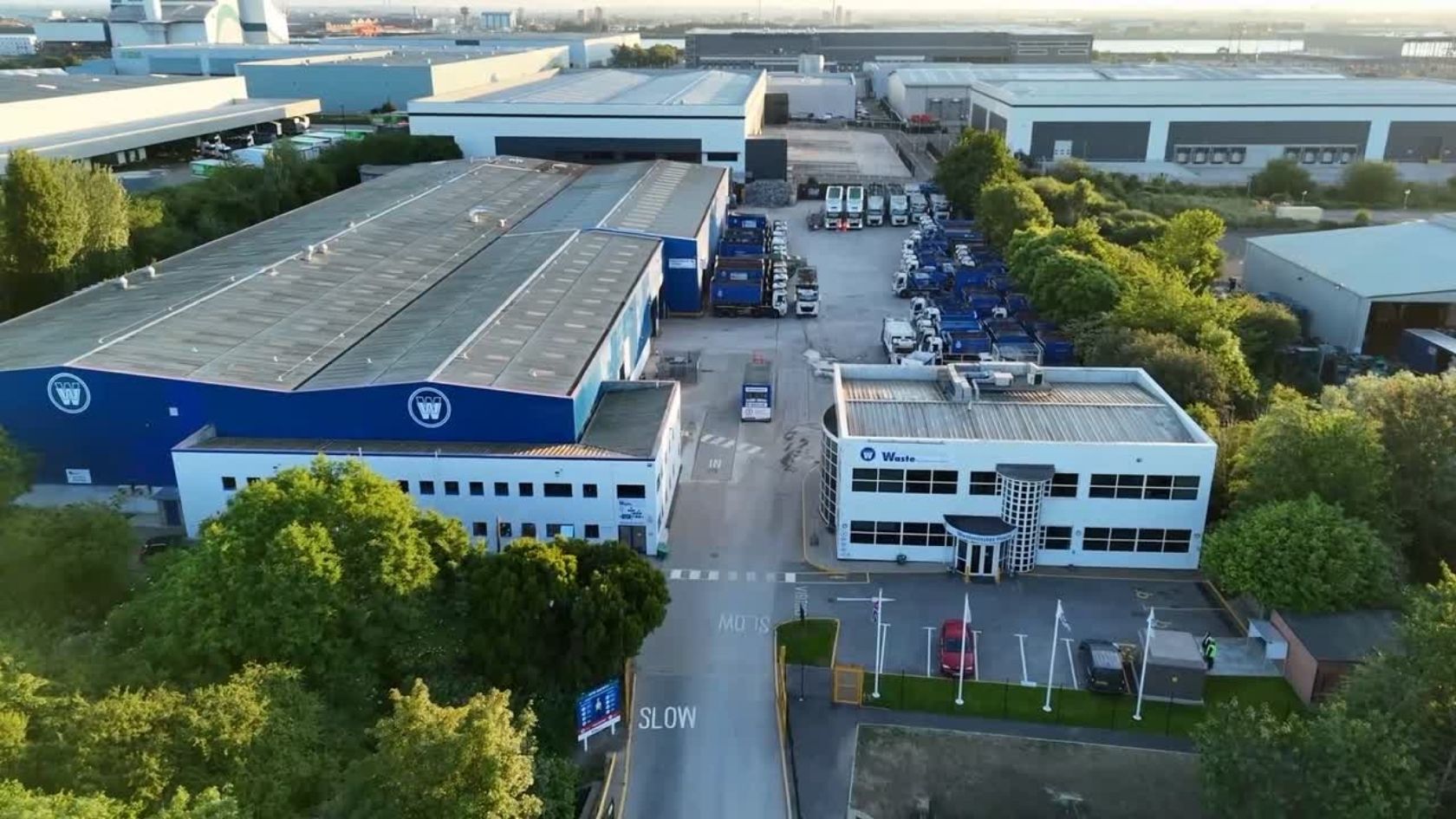
At Westminster Waste, our upper-tier registration forms part of a wider waste management service covering commercial waste collections, recycling, construction waste and specialist hazardous waste support across London and the South East.
Our Total Waste Management service brings collections, recycling, reporting and wider waste planning together under one service, helping you spend less time coordinating individual waste streams while keeping your waste management organised.
Speak to Westminster Waste about a tailored waste collection and recycling plan for your organisation.
Waste carrier licence FAQs
Do I need a waste carrier licence to transport my own business waste?
Possibly. Businesses carrying only waste they produce themselves can often use lower-tier registration, but construction and demolition waste is an important exception and will generally require upper-tier registration.
How much is a waste carrier licence?
In England, lower-tier registration is usually free. A new upper-tier registration currently costs £191.02 and must be renewed every three years, with renewal currently costing £130.25.
How long does a waste carrier licence last?
Upper-tier registration must currently be renewed every three years. Lower-tier registration does not currently require renewal.
How can I check a waste carrier’s licence?
Search the Environment Agency public register using the organisation’s name or registration number. Then check that the business details match and, for an upper-tier carrier, that the registration is still current.
Is a waste carrier licence the same as an environmental permit?
No. Waste carrier registration relates to carrying, dealing in or brokering waste. A separate environmental permit may be required to operate a waste treatment, storage or disposal facility.